After five weeks of not being in the mountains, I finally got a chance to drive into some valley and hike up some mountain again. This time, it was that valley. Deep in Switzerland to that iconic mountain, where all the tourists go.
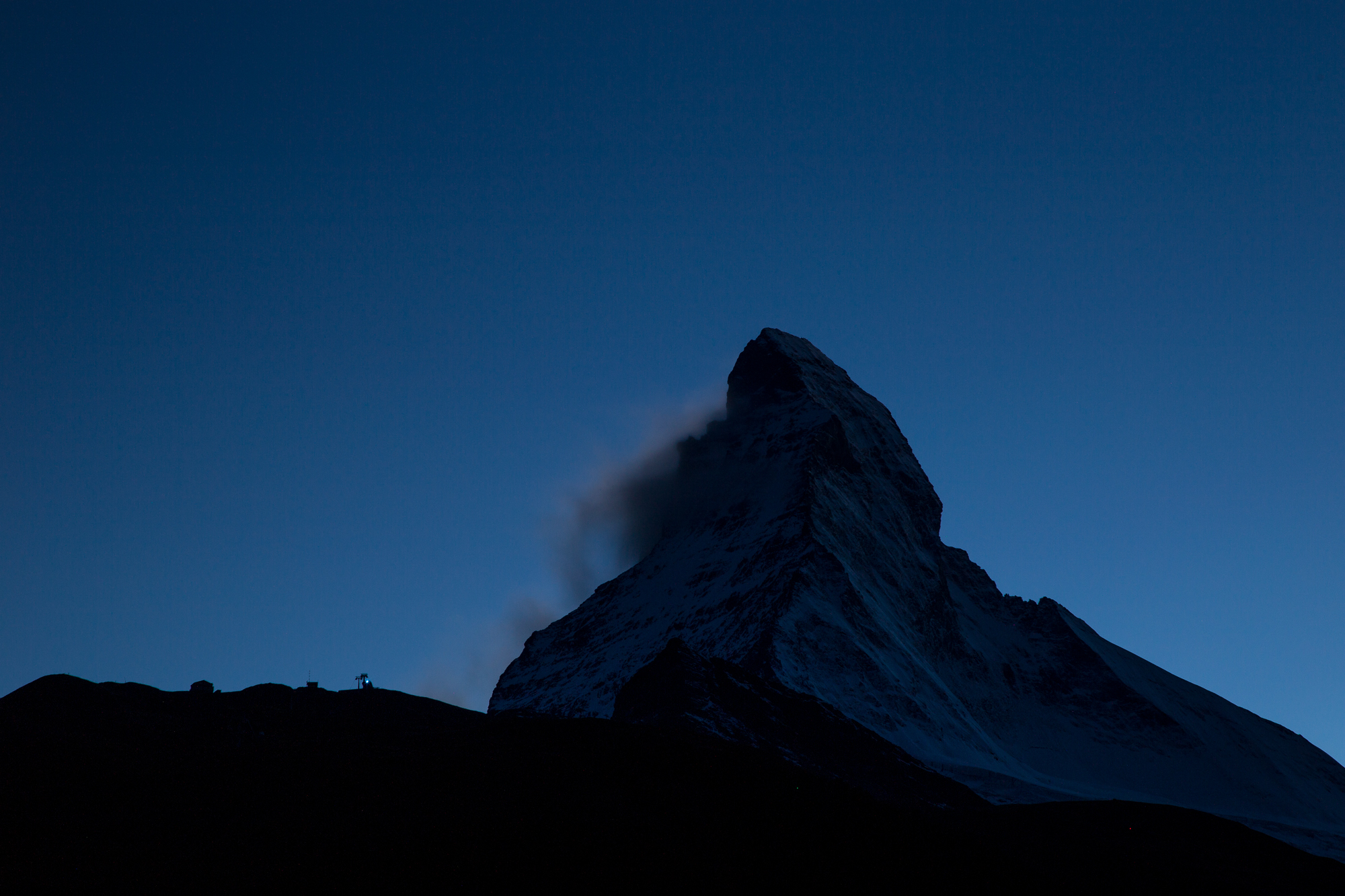
After five weeks of not being in the mountains, I finally got a chance to drive into some valley and hike up some mountain again. This time, it was that valley. Deep in Switzerland to that iconic mountain, where all the tourists go.
For the past three weekends, I had been going to the mountains, enjoying the prolonged spells of good weather while it lasted. In early September, I ended up visiting a city I had already seen in 2011, but it wasn’t Zermatt as I would have expected: instead, I went to Berlin for the inaugural Lollapalooza in Europe. There, too, the weather largely held up.

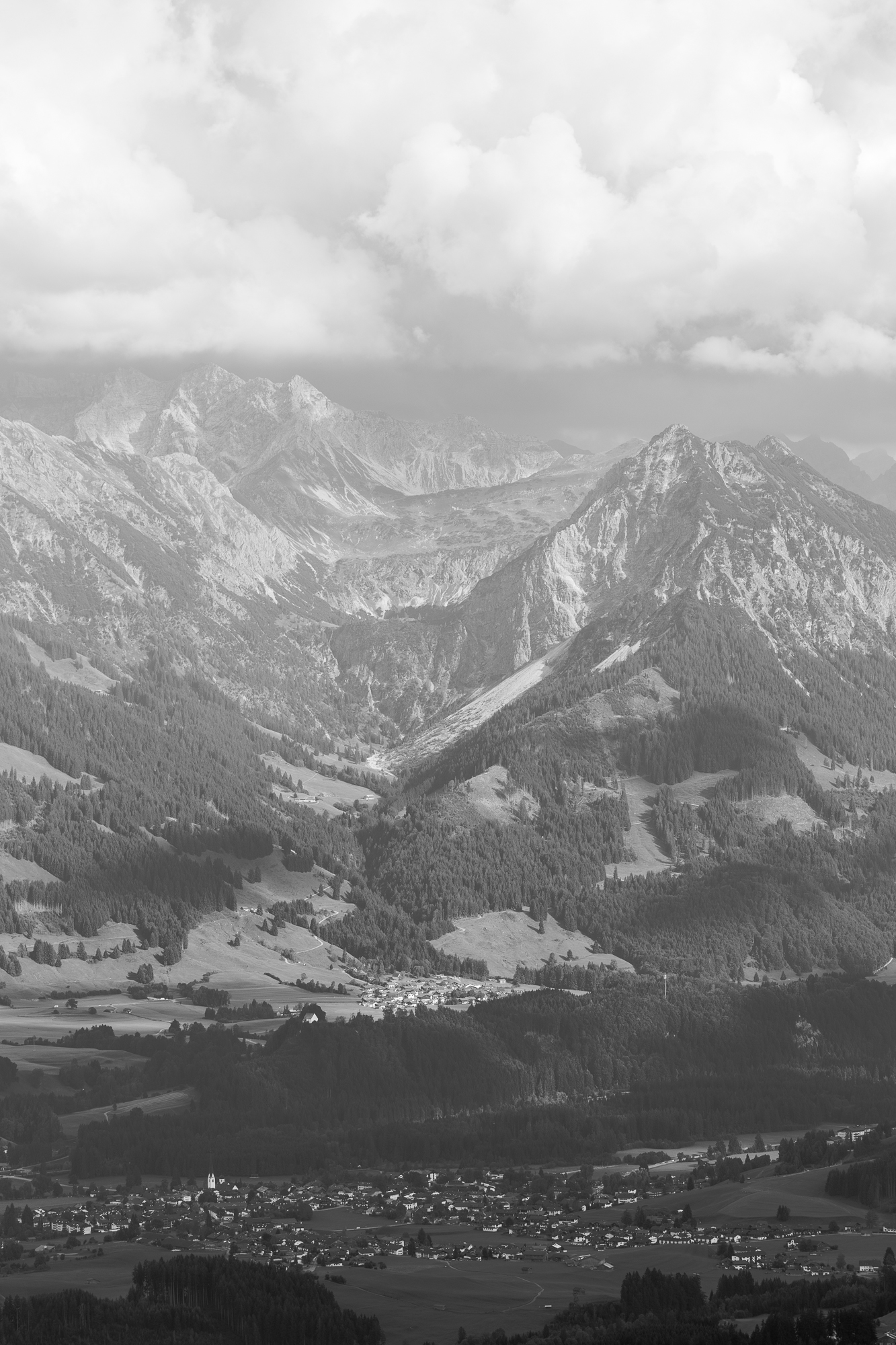
The natural world is fantastic to see in person, but photographing it is just the tip of the proverbial iceberg; there’s an immense body of knowledge to theorize why animals behave or look the way they do and how natural formations came to be. Try as I may to reproduce what I see with my camera, I can’t begin to describe the geology of the Alps, and only recently did it dawn on me that there’s a great many valleys in even this little corner of the Northern Limestone Alps. Zermatt was at the end of a similar valley, and I never considered just how many more there could be across the rest of the Alps. Ignoring my lack of familiarity with the geology of the region, on a weekend with bad weather forecasted for the Allgäu I found myself yet again looking at snow-topped peaks — only this time, not in Zermatt to the southwest but rather several mountains, valleys, and more mountains and valleys to the south.

Perhaps surprising to some, German — or more specifically German spoken by Bavarians (… and Austrians and sometimes the Swiss) — features rolled Rs in speech, and more so when expressing extreme persuasion, like when finally convincing someone of a point you’ve been making (“R-r-r-r-richtig!“). It’s something I’m not particularly good at; Mandarin doesn’t have the sound whatsoever and French uses a guttural R, a sound which for some unknown reason I can make. But my lack of familiarity with the local treatment of the letter is not just with its phonetics: extrapolating the scientific certainty that two data points are always enough to determine a trend [n.b.: sarcasm], mountains whose names begin with R also seem to pose a problem.
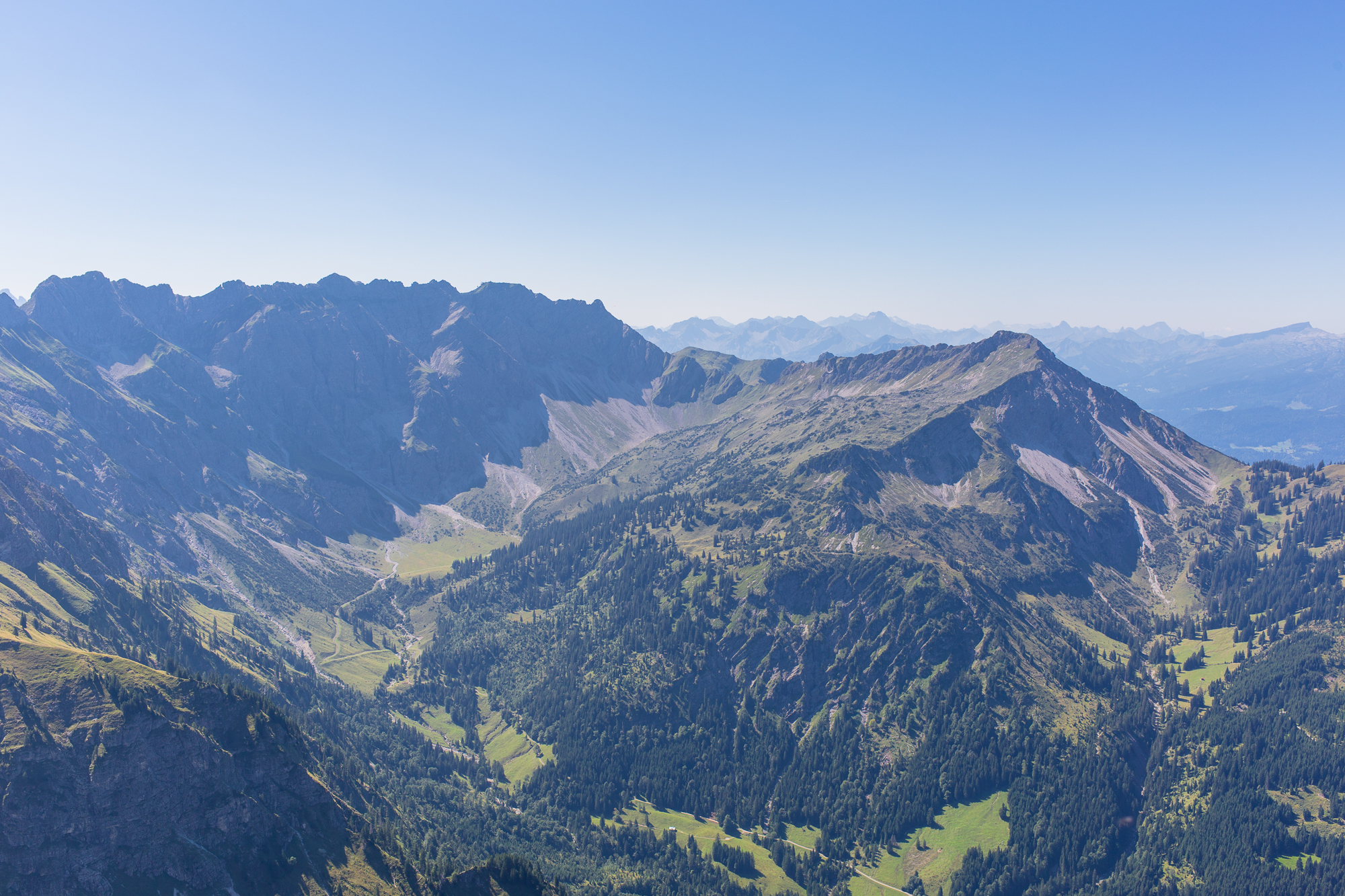
The first several weeks of my assignment were hectic, from both the perspective of getting settled / moved in and that of the amount of work I’ve had. Fortunately, the workload has since decreased, so naturally to take the place of working breathlessly I’ve chosen to be literally winded: “The mountains are calling,” so the saying begins, but conveniently the strain of getting to be in the mountains is left to the imagination.
Since middle school, I always figured if I lived internationally it’d be in France — I spoke the language, I had studied abroad in the country, and I even visited the Caterpillar factory that was the reason behind my learning the language in the first place. It was also in Grenoble, I think, that my love of mountains was subconsciously awakened. It is thus admittedly strange that three of the past five Independence Days I’ve spent not in France but rather in Germany, and that the language I’m beginning to resort to is now German rather than French. This, the neighbor to what I thought would be my foreign language destination, is now my home for the next months. Round two began quietly, not in Stuttgart as before, but in the Allgäu, heart of the German Alps.
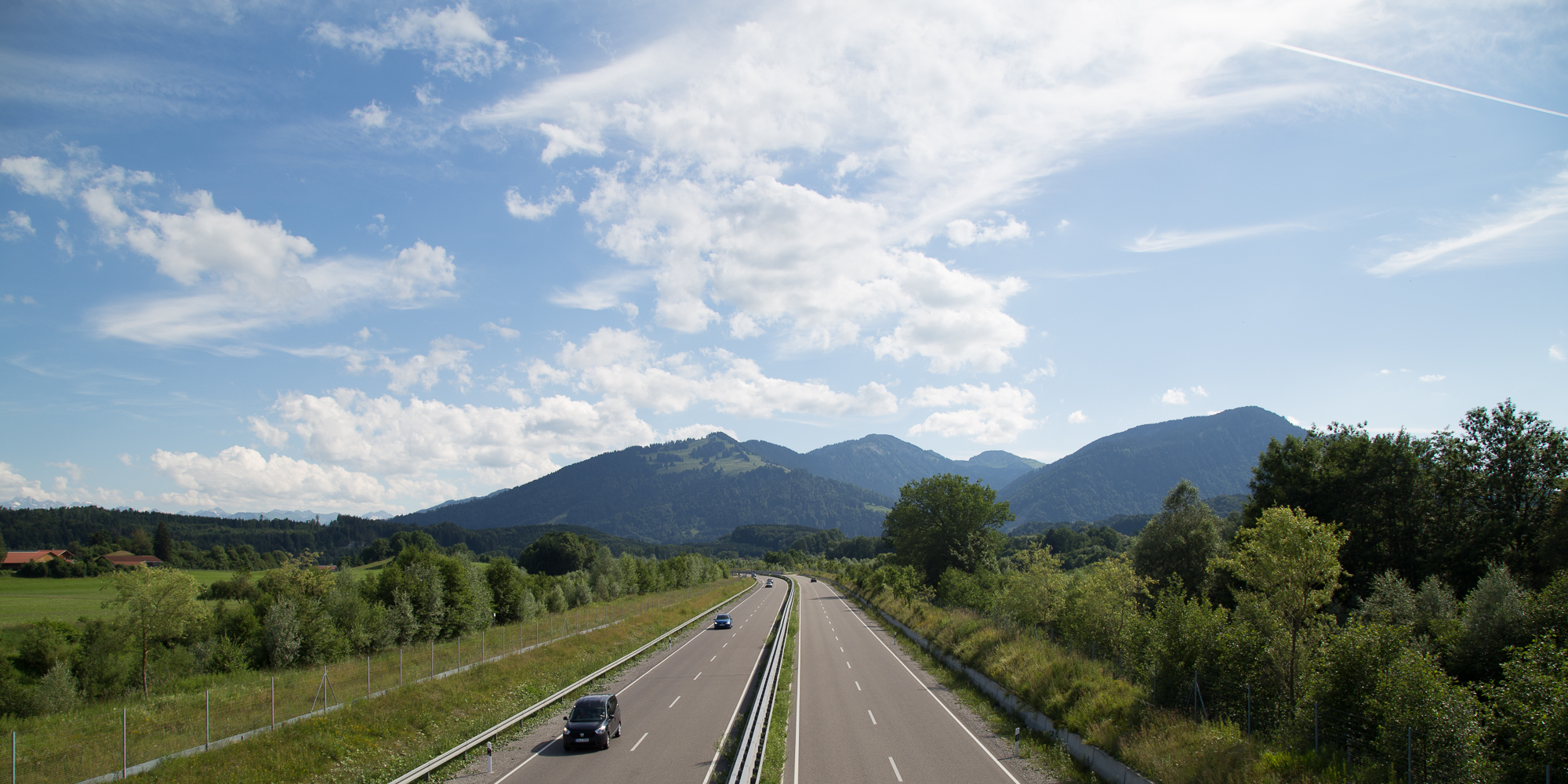
It’s a bit odd writing this post; for one, it’s been a “long” time (photographically) since my trip to China, and two, I’m writing from Germany, home for [at least] the next year. Reflecting back on a trip over months old is thus refreshing but also potentially dangerously narrative. With that disclaimer…
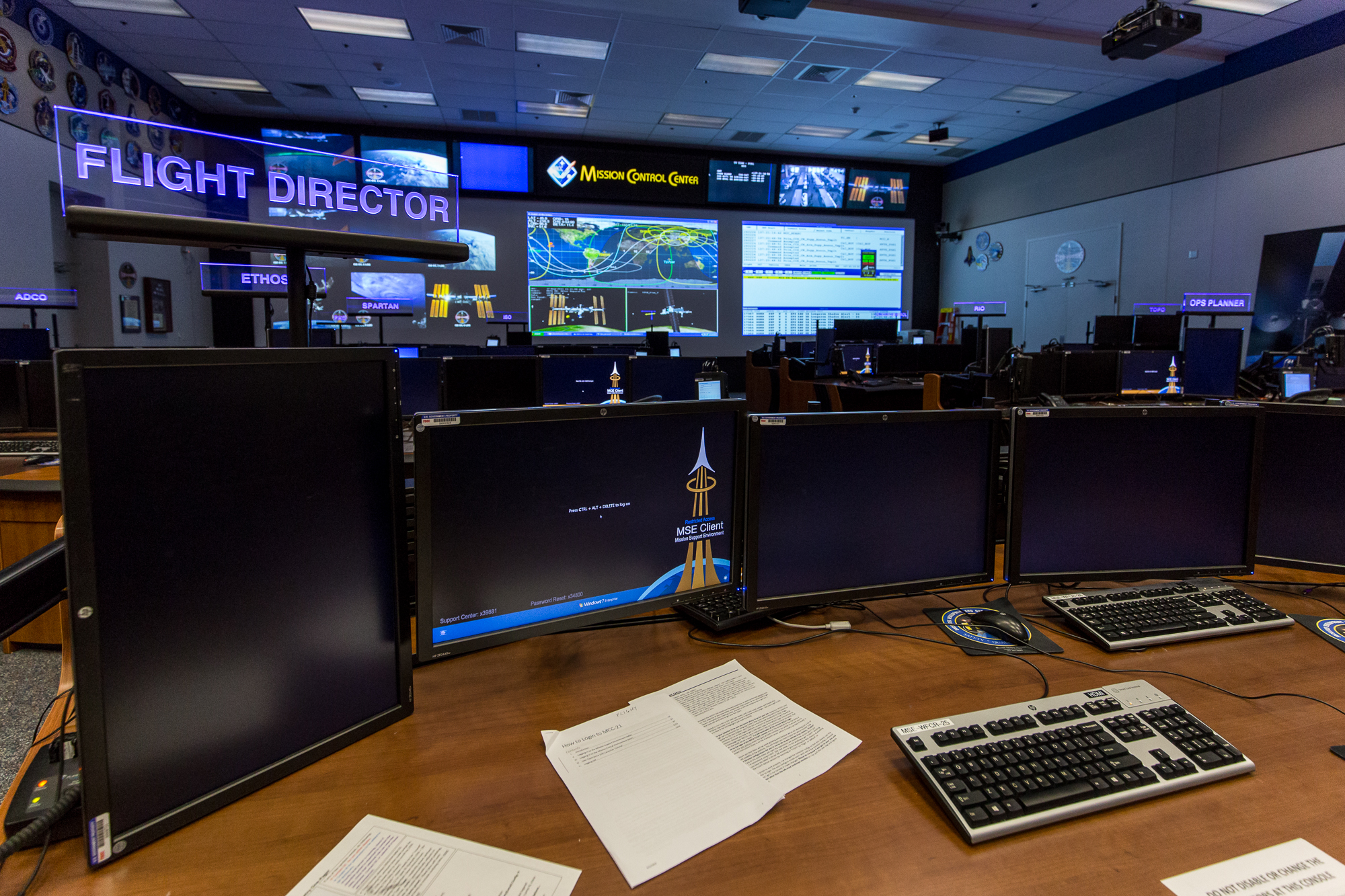
The trip home — the first time I’ve done back-to-back trips to China since the late 1990s — started in Houston, where I visited a friend who works at the Johnson Space Center. Few people can say they are friends with rocket scientists, but I’ve known my buddy in Houston since grade school. This time, he showed me Mission Control (nearly all of them) from the ground floor. I had two takeaways: first, the amount of technological achievements that come together to support a mission in orbit is astounding; and two, the equipment used to make space missions possible is outdated (making the first point even more impressive).
It’s difficult for me to substantiate what impressed me most about D.C.; the extent of its attention to history and technology is rather breathtaking given the political order the city is principally charged with keeping. More by coincidence than planning, a third element — culture — came across as yet another defining pillar.

 En me brossant les dents